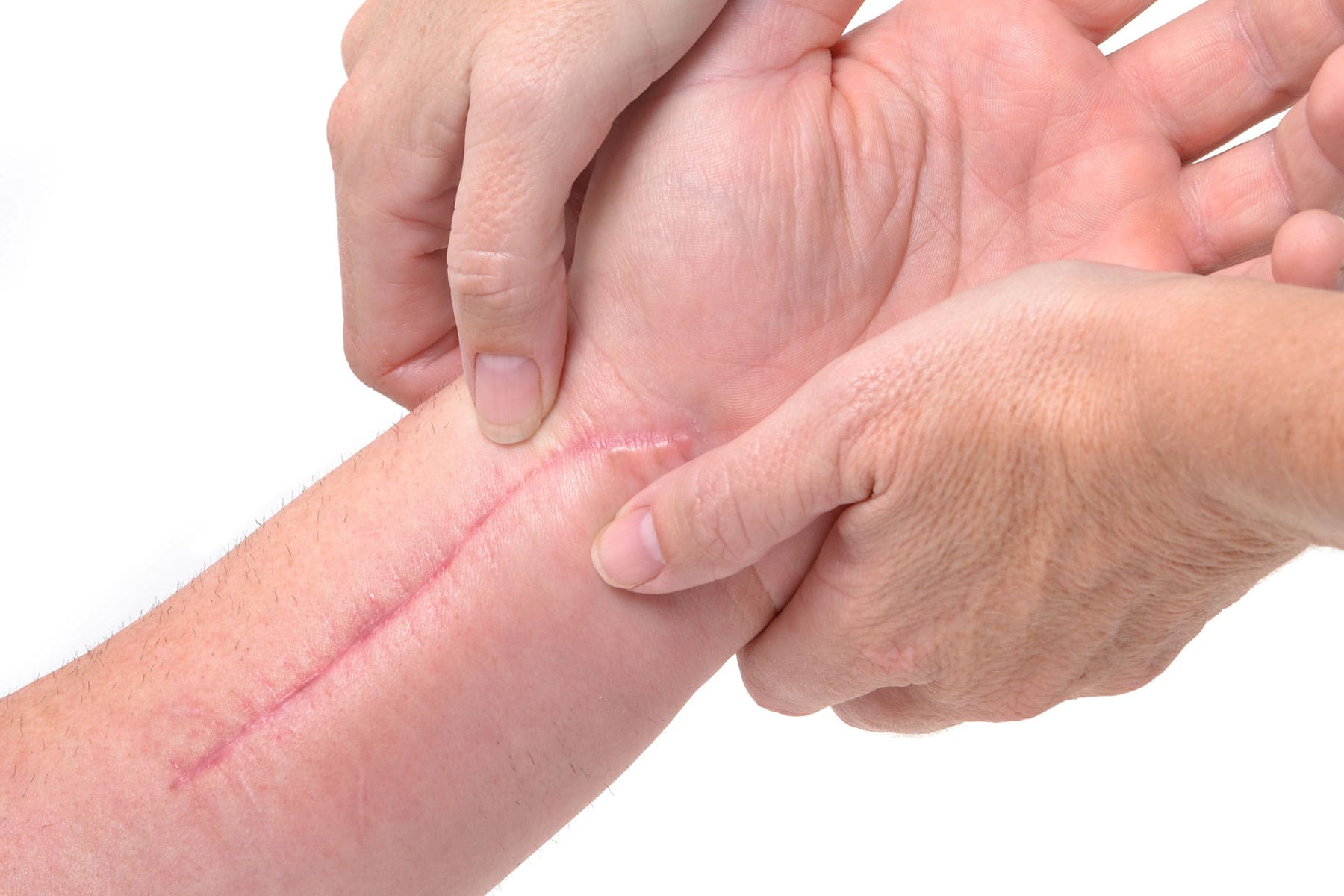
What Is Scar Therapy and Why It Matters
Most people don’t think much about a scar once it has healed. If the stitches are out and the skin has closed, it’s easy to assume everything is done. But for many people, a scar can still feel tight, sensitive, numb or uncomfortable, sometimes months or even years later.
Every time your skin is cut, whether through surgery, injury or trauma, your body forms scar tissue as part of the healing process. Scar tissue is essential for repair, but it behaves differently from healthy tissue.
It is more fibrotic, less elastic and less mobile. Even well-healed scar tissue typically regains around 70–80% of its original tensile strength and function compared to uninjured tissue. That reduced elasticity can affect how the tissue moves as well as how you move.
How Scar Tissue Can Affect Movement
Scar tissue does not glide or stretch in the same way as healthy skin and fascia. This can create restrictions in the surrounding tissues and sometimes lead to:
- Tightness or pulling
- Itchiness or sensitivity
- Numbness or altered sensation
- Discomfort during everyday movement
Research suggests that scar tissue can influence how forces are transmitted through the body, which may contribute to compensatory movement patterns. In simple terms, a scar doesn’t just affect the skin, it can affect the way your body moves as a whole.
For some people, this shows up as stiffness when walking, discomfort during exercise, or a feeling that something just isn’t quite right.
Types of Scars Scar Therapy Can Help With
Scar therapy can support recovery after:
- Orthopaedic surgery
- Knee/hip replacement
- Ligament and tendon repairs
- Abdominal surgery (including C-section and laparoscopic surgery)
Even scars that look neat and well-healed can still benefit from treatment if they feel tight or restrictive.
What Scar Therapy Can (and Can’t) Do
A scar is permanent; scar therapy cannot remove it. However, what it can do is improve how the scar moves, feels and integrates with the surrounding tissue.
Restore Scar Therapy focuses on:
- Improving scar and fascial mobility
- Reducing tightness and sensitivity
- Supporting smoother, more comfortable movement
- Helping you feel more at ease in your body
With treatment scars often become softer, smoother and less prominent in appearance.
When Can Scar Therapy Start?
Scar therapy can usually begin from around 8 weeks after surgery or injury, once the skin has fully healed and stitches or staples have been removed.
Ideally, treatment begins within the first 12 months when scar tissue is still actively remodelling and often responds more readily to input.
That said, older scars can still respond well. Many people get treatment years after surgery and notice meaningful improvements in comfort and mobility.
Most people need between 3–6 sessions, depending on the scar’s size, location, age and how it is affecting movement.
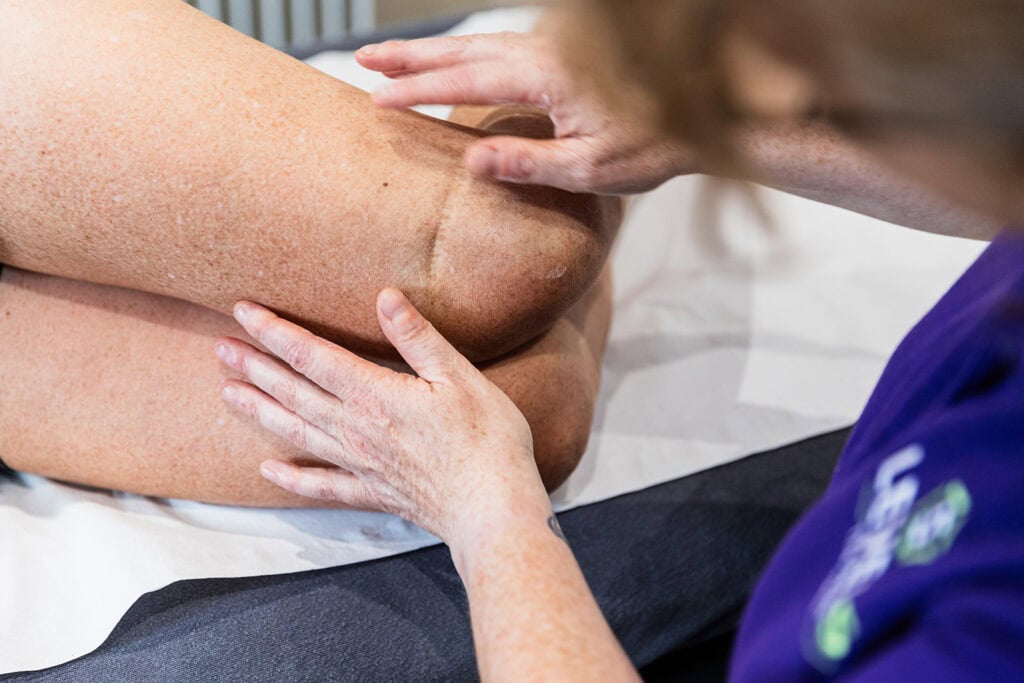
What to expect from a Scar Therapy session
Scar therapy is gentle and non-invasive. It should not be painful, and you remain in control throughout.
Your initial appointment includes:
- A detailed history of you and your scar
- A physical assessment to understand movement restrictions
- Observing how the scar behaves during movement
This whole-body approach recognises that scars do not exist in isolation, they are part of a connected system.
Why Scar Therapy Matters
A scar can look healed on the surface and still influence how your body feels underneath. Addressing scar mobility can support comfort, ease of movement and confidence — particularly after surgery or injury.
If you have a scar that still feels tight, uncomfortable or not quite right feel free to get in touch to find out if Restore Scar Therapy can help you.